![Pressure washing driveway in [Location] – Williams Exterior Shine.](https://williamsexteriorshine.com/wp-content/uploads/2025/04/cropped-cropped-no-bg-scaled-1.png)
Outdoor areas take a beating year-round, especially once the colder months roll in. Mud, moss, and grime start to collect on paths, walls, and driveways when the weather turns damp and days grow shorter. It may not look too bad at first, but if left untouched, that build-up becomes harder to shift and easier to miss altogether.
Residential pressure washing is a simple way to give your property a lift. The right approach can clear thick patches of algae, faded marks, or clogged corners before frost makes everything harder to deal with. It is not about making things spotless, just tidier, safer, and easier to walk through as winter gets underway.
Let’s walk through how pressure washing works, the best timing, common trouble spots, and what to know before having it done. We’ve picked this time of year because we know how quickly things freeze over, making now the smart moment to sort it.
What Pressure Washing Actually Does
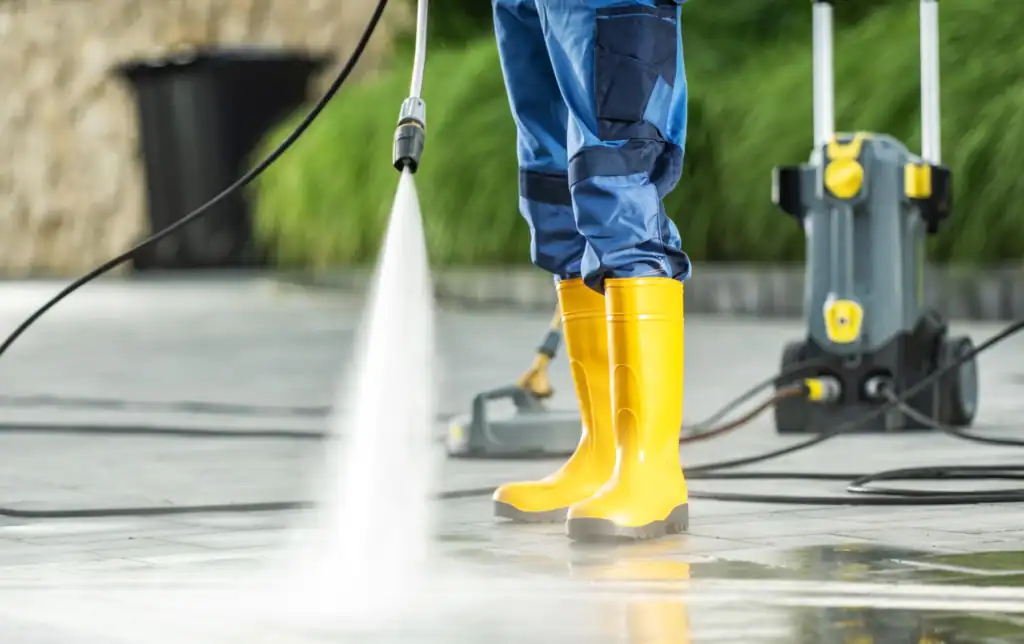
Pressure washing is pretty straightforward. It uses a high-powered stream of water to blast away dirt, algae, and other mess stuck to outdoor surfaces. It is not about scrubbing by hand but using that strong spray to get into cracks and rough spots where grime tends to gather.
We usually apply it to areas that get the worst of the weather:
• Paving slabs and patios that go green after months of rain
• Driveways covered in tyre marks, crushed leaves, or mud
• Fences and walls that darken from mildew and water streaks
It is especially good at dealing with moss and algae, which love damp corners and shady spots. These growths can look small but become slippery underfoot, especially on old stones or textured paving. Once washed, those areas feel much safer and look noticeably brighter. For bigger jobs, we might pair pressure washing with gentler methods depending on the surface material.
For residential properties, we use both rotary and fan-jet nozzles suited for block paving, concrete, patios, and even hard-wearing timber decking. We collect all runoff, ensuring that cleaning is safe for gardens, driveways, and family spaces as outlined on our service page.
Why It’s Helpful to Do Before the Weather Changes
It is tempting to wait until spring to deal with mess outside. But winter brings its own problems, especially when leaves have clumped up and rain has soaked everything through. That moisture, mixed with dirt, makes surfaces slick or stained far more quickly than you’d expect.
• Mud and wet leaves stick in cracks, making paths slimy and slippery
• Cold weather can freeze build-up in place, making later clean-ups harder
• Grime on outdoor walls and fences sets in deeper if left through winter
By sorting it before hard frosts hit, you give surfaces time to dry out and settle. It makes walking out the back door less risky too, with fewer hidden patches or puddles.
We find that cleaning in December, while daylight still holds and temperatures hover just above freezing, keeps things manageable. It makes the whole property feel more under control heading into those darker months.
Things to Watch For Around the House
It’s easy to miss small signs that outdoor spaces need a clean. Growth shows up slowly, and a shadow here or a streak there may not seem like much. But these small issues grow into bigger ones if left until spring.
Keep an eye out for:
• Mossy patches on the patio, especially in shaded areas
• Water pooling around drains or blocked gutters
• Fences turning blotchy or green from algae
• Stone paths that suddenly feel slippery after rain
We often find that surfaces people walk on daily build up the most grime, mostly because they get ignored the longest. When we uncover those areas, people are often surprised at the colour difference, a good reminder that slow build-up is easy to miss in winter’s low light.
Why Some Areas Need a Gentler Touch
Not everything outside can handle full pressure. Painted brick, wooden fences, or crumbling mortar between stone typically need a lighter wash. That is where pressure needs to be adjusted or swapped for a technique called soft washing.
Soft washing uses less force but still lifts dirt and algae thanks to spray patterns and added cleaning agents suited for delicate surfaces. We might use this on older wood, brittle render, or anything where water could cause damage if blasted too hard.
• Soft washing is best for painted or sealed areas prone to flaking
• High pressure is great for tough materials like concrete or slab paving
• We check the condition of every surface before deciding how to spray
Not all mess needs to be blasted away. Some just needs a careful rinse and a bit of time to dry.
Getting the Timing Right
Before temperatures drop too much, it helps to get things clean and dry. If you wait too long, water used during washing might freeze afterwards, leaving icy patches or stopping surfaces from drying properly.
Early to mid-December is usually a good period. It still gives enough daylight for outdoor work and, in most areas, the ground hasn’t hardened yet. There is space to air things out and finish tidying before weather makes it tricky.
• Driveways need drying time after washing, so avoid frost-prone days
• Garden work is easier with a bit of warmth still in the air
• Delaying until warmer months can let grime dig in deeper
We’ve found that finishing off last-minute outdoor jobs now makes it more pleasant later. The cleaner everything is heading into the cold, the less overwhelming it feels once spring reappears and reveals all that was hiding under the season’s wear.
Keep Your Outdoors Tidy Through Winter
Looking after outdoor areas as the year ends doesn’t have to be a big job. Most surfaces just need a bit of attention to shake off the layers of rain, mud, and leaves that come with cold weather. A clear path and a clean fence can make the space feel more welcoming, even during short, chilly days.
We offer tailored maintenance for all patios, paths, render, and vertical surfaces throughout Stoke-on-Trent and Barlaston, using both pressure and soft washing as appropriate. Each project starts with a property review and test patch to make sure our methods match your materials, all handled by our family-run team.
Pressure washing now can save time and hassle later. It removes slippery messes, brings colour back to old paving, and helps you spot small things before they become big issues. With a good wash before the frost hits, your garden and drive stay cleaner, safer, and easier to manage all winter long.
Noticing build-up on your walks, fences, or driveways is a sign it’s time to get your outdoor spaces sorted before winter arrives. We help homeowners keep their surroundings safer and easier to manage by taking care of the cleaning that often gets missed. With the right technique, even worn areas can come back looking surprisingly clean. You can read more about how we approach residential pressure washing and see what to expect when you choose Williams Exterior Shine. Ready to get started? Contact us today.