
As spring settles in and the days start warming up, we all begin to notice a thin yellow layer showing up on walls, patios, garden furniture, and driveways. That’s pollen. It might not seem like a big deal at first, but it builds up fast and starts to make outdoor spaces look dull and dusty. In places like Stoke on Trent, the breeze can kick up pollen from trees, grass, and flowers, spreading it across our homes.
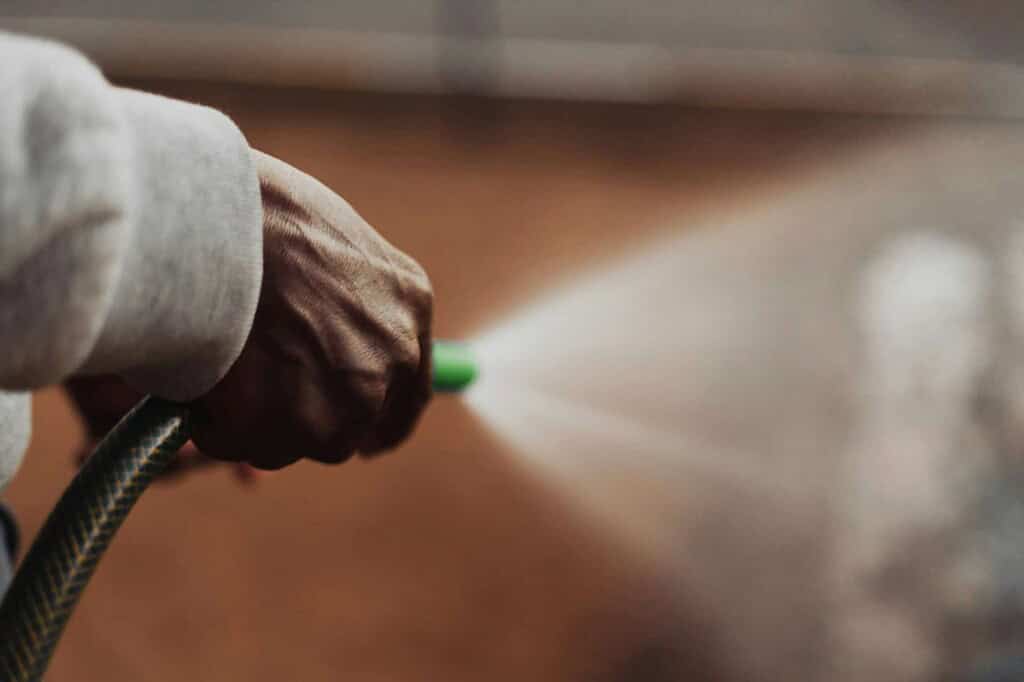
Pressure washing in Stoke on Trent can make a big difference. It clears away that dull layer of pollen, along with other dirt and mess left behind after a long winter. This time of year is great for giving outdoor areas a proper cleanup before summer arrives. Paths, fences, and patios all look newer and brighter once that thick film of spring pollen is washed away.
What Spring Pollen Does to Your Home’s Outside
Pollen doesn’t just land and disappear. It clings to rough surfaces and creeps into hard-to-reach areas. We’ve seen it stick to patios, bricks, render, wood fencing, uPVC, and even window sills. After a light rain, that pale dust can smear and settle into place, making it harder to ignore. Then, when the weather dries up again, it bakes into place under the sun.
You might notice:
- Yellow streaks on painted walls or conservatories
- Gritty powder underfoot on doorsteps or paving
- Sticky spots on handrails or gates
All of this makes your outdoor space look less tidy and feel unclean, even if you’ve been maintaining it otherwise. Pollen builds little by little, and when mixed with dust from the road or garden, the mess just gets harder to notice until it’s all over everything.
Why Waiting Too Long Makes It Harder to Clean
It’s tempting to put it off. You figure a bit of wind or rain will sort it out, or maybe another rinse with the hose. But when pollen sticks around, it mixes with other debris like soil, moss spores, and leaf matter. Add in the moisture from morning dew or spring drizzle, and it clumps together, leaving behind a caked layer that water alone won’t shift.
Some of the signs that it’s settled in too long include:
- Faint yellow lines under window sills or ledges
- Darker patches where dirt has bonded with pollen
- Slight stickiness along painted trims or outdoor furniture
The longer you wait, the more effort it takes to remove. By early summer, that buildup can cause surfaces to discolour or attract mould. Catching it right after pollen season means a quicker, easier clean, without worrying about leftover marks or stains that need scrubbing.
How Pressure Washing Clears Pollen and More
A hose might rinse off loose dust, but pressure washing gets deep into the surface. It loosens and washes away layers that have been sitting for weeks, especially in corners and textured spots like brick or concrete. After spring’s pollen, this really helps bring life back to outdoor areas that have been covered up.
We’ve found it works well on:
- Patios and paving slabs, which often collect runoff from nearby plants
- Driveways where tyre marks and pollen combine in patches
- Fence panels and garden walls, where wind carries pollen right from the trees
Williams Exterior Shine uses commercial pressure washing machines prepared for a range of jobs across Stoke on Trent, everything from patios and decking to block paving, tarmac, and driveways. We match water pressure and nozzle settings to each surface, ensuring noise, mess, and splashbacks are minimised while delivering a spotless clean.
It’s also handy for preparing surfaces if you’re planning any painting or sealing later in the season. Clean surfaces hold treatments better, and you get a smoother finish when the pollen and dirt are already removed.
Safety and Care During a Spring Wash
Not all surfaces respond the same way to pressure washing, especially older bricks or soft render. Spring pollen might be easy to wipe off one wall, but another area may need a lighter touch or a lower pressure setting to avoid damage. The water needs to wash, not dig.
Some common areas we take extra care with include:
- Painted exteriors, which can flake if the pressure is too strong
- Loose mortar or cracked cement that might break apart
- Delicate trims around windows which catch both pollen and water spray
It helps to understand the condition of each surface before starting. That way, the job gets done right without leaving tracks, gouges, or streaks that stand out. Knowing when to switch to a softer rinse or adjust the angle of the spray can make all the difference.
Williams Exterior Shine always completes a pre-inspection before pressure washing, checking for fragile materials, weathered areas, and loose joinery to tailor the clean to each property. Our team prioritises safety, avoids disrupting landscaping, and keeps your property looking its best all season.
Your Home Looks Better and Stays Cleaner Longer
Clearing off spring pollen now doesn’t just improve how things look straight away. It also keeps outdoor areas neater for longer. When the main layer of pollen is gone, there’s less for dust, bird droppings, or algae to cling to later in the summer. That means it’s easier to keep on top of things without washing again too soon.
A clean surface feels better to walk on, sit by, or enjoy with family during warmer evenings. It freshens up the whole outdoor space and gives a sense that the home is cared for, inside and out. Taking time for a proper spring pressure wash gives everything a cleaner, brighter start to the months ahead.
Over time, pollen and grime can build up on your outdoor areas, leaving them looking dull just when you want to enjoy them most. A thorough clean can bring back the brightness, making your space feel refreshed in time for summer gatherings. At Williams Exterior Shine, we’re here to help with pressure washing in Stoke on Trent that is tough on dirt yet gentle on your property’s surfaces. Let us handle the hard work so you can enjoy a spotless home. Schedule your clean today.