
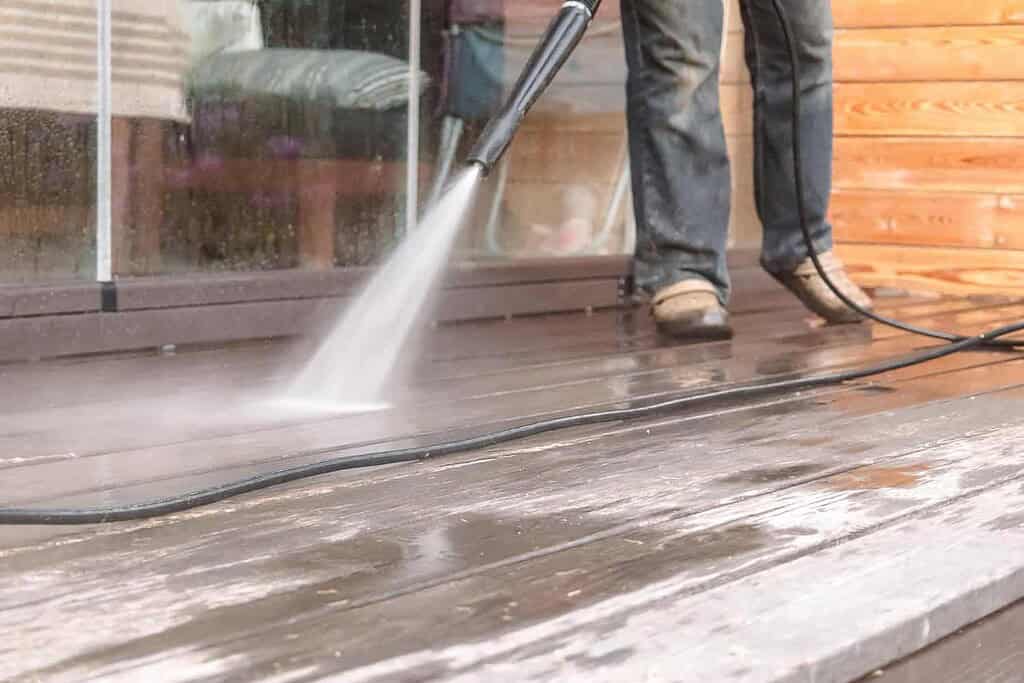
When summer starts to settle in, decking can quickly turn from a safe walkway into a slippery hazard. With all the spring rain, falling leaves, and damp weather behind us, it’s not uncommon for decks to feel a bit slick underfoot. Barbecue season makes this even more noticeable. Nobody wants to host a garden gathering where guests need to watch their step. Many people count on a good jet washing service to sort it out. It’s a popular and often helpful method, but sometimes there’s more going on than surface mess, especially if the deck has seen a few seasons already.
We’ve cleaned up plenty of decking where the problems ran deeper than they looked. And while high-pressure water can take off the top layer of grime, it doesn’t always get to the root of the slipperiness. Knowing when jet washing helps and when it’s not quite enough is the key to getting your deck ready, and keeping it that way all summer.
Why Decking Gets So Slippery in the First Place
If a deck’s already in a shaded spot or sees a lot of damp, breakouts of algae or moss are no surprise. It doesn’t take much for that green film to grab hold. Once it does, the surface gets slick fast, especially when the evenings are cool or after a passing rain.
Here’s what makes decking feel slippery underfoot:
- Algae, moss, and mildew grow well in damp, low-light areas, and thrive even more when left uncleaned for a few weeks
- Foot traffic only presses all that dirt and organic matter deeper into the grain, making it harder to lift later
- Wooden decking holds water longer than we often realise, which gives microbes a comfy base to spread
Every step taken on top of that slick surface just presses the mess in further, making standard cleaning more of a challenge.
Many times, the section of the deck that stays shaded the longest dries the slowest, creating just the right environment for moss and algae to develop. Over time, an untreated deck might develop dark patches that seem impossible to clear away by sweeping or using basic water and soap. When these patches are ignored for too long, the risk of slipping only increases, leading to potential accidents. Identifying these bad patches can make a difference in how safe your outdoor space feels.
What Jet Washing Can Help With
A powerful jet can work wonders on the right kind of dirt. On a dry, sunny day, a steady hand and good pressure can blast away layers of grime that have built up over the winter. When used on well-maintained decking, especially newer boards, it’s often all that’s needed to get things back in shape.
Jet washing tends to work best with:
- Loose dirt, dried mud, and pollen marks
- Lighter mildew or surface-level algae that hasn’t sat too long
- Decking made from harder wood or composite boards that are still in solid condition
It’s a fast way to freshen things up. If done regularly, it helps delay the return of growth, but it’s only part of the picture.
Williams Exterior Shine uses commercial-grade jet washing equipment to break up surface grime and algae from all types of decking, keeping outdoor areas clean and safe underfoot.
Jet washing works especially well for annual maintenance, helping decks recover from the build-up that happens each winter and spring. If someone is preparing their deck for regular outdoor meals or seasonal gatherings, a proper jet wash can make the wood look cleaner and more inviting for visitors. Maintaining the routine helps preserve both the look and longevity of the decking planks.
When Jet Washing Isn’t Enough
Sometimes a jet wash clears the surface, but the deck still looks patchy or feels slick under shoes. Older or softer timbers can soak up grime far more easily. Once grime settles into the fibres, water alone might not shift it.
There are a few times where results will fall short:
- When algae has been sitting for weeks or months unnoticed
- When the wood grain has deepened or split, trapping layers of old dirt
- If pressure is set too high for the state of the wood, it can scar the surface or splinter the grain
We’ve seen clean-looking decks still feel slippery the next morning. That’s often the sign that something more targeted is needed, not just more pressure.
Another sign that jet washing isn’t enough is when the deck has small grooves or cracks where organic matter hides. Over time, this buildup can harden, forming a stubborn layer. Applying more water pressure might remove loose debris, but it can also cause damage if not used carefully. Instead, a gentler but more thorough approach ensures both the safety and the lifespan of the decking boards. Recognizing when to switch to alternative cleaning methods will help prevent damaging the deck while achieving a safer surface.
What Else Might Be Needed for a Non-Slip Deck
When pressure alone doesn’t clear the build-up, extra cleaning steps make all the difference. Cleaners often rely on a mix of soft washing and lightly treated solutions to break down deeper organic buildup. These approaches are easier on the wood while getting in between the fibres.
Here’s what helps when jet washing isn’t cutting it:
- Special solutions for algae and mildew that work at the root level
- Soft wash methods that rely on longer soak time, not higher force
- A follow-up treatment like sealing or a simple finish to help repel future build-up
Sealing doesn’t just improve the look, it helps stop water sinking in and leaves the surface drier. That alone cuts down the chance of slipping, especially through the evenings when dew settles fast.
Using cleaning products designed for wood can help dissolve deposits that pressure alone cannot reach. For those who want to take the extra step, applying a transparent or lightly tinted sealant after the thorough cleaning not only preserves the appearance but also increases resistance against damp and organic growth returning. Regular treatments with these products can extend each cleaning’s effectiveness, ensuring the deck stays safer for longer periods between deeper cleans.
A Reliable Deck Feels Safer and Looks Better
Once the grime is cleared properly, a deck can suddenly feel brand new. More than that, it’s simply safer. A dry, clean surface means fewer slips, and no awkward sidestepping when you’re hosting family or friends.
Jet washing has its place, especially when used regularly, but it shouldn’t be viewed as the whole job. If there’s a deeper problem, whether it’s with the wood or the build-up stuck inside it, a more careful hand brings better results. The goal isn’t just to blast off the top layer. It’s to fix the reason why the deck got slippery in the first place.
With the right approach, decking becomes something we can enjoy all season long without the worry of someone losing their footing. Keeping it in good shape now means a more comfortable and welcoming space for all those outdoor afternoons ahead.
Consistency in deck care means that the benefits last well into the coming months. By making time for periodic cleanings and protective finishes, you create a reliable surface that is less likely to become dangerous after each rain or during periods of high foot traffic. This preparation leads to a more enjoyable and safe outdoor experience for family, friends, and guests no matter what summer brings.
A quick rinse is only the start when it comes to keeping your decking safe underfoot. For a longer-lasting difference, it’s smart to address what’s actually stuck to the boards. Take a look at how our jet washing service goes further than a basic spray, setting up a solution that works for your outdoor space. If your decking needs attention this summer, reach out to Williams Exterior Shine and let us help you enjoy your garden with confidence.